3 min read · Destinations
A Costa Rica Vacation: Two Coasts With Opposite Seasons
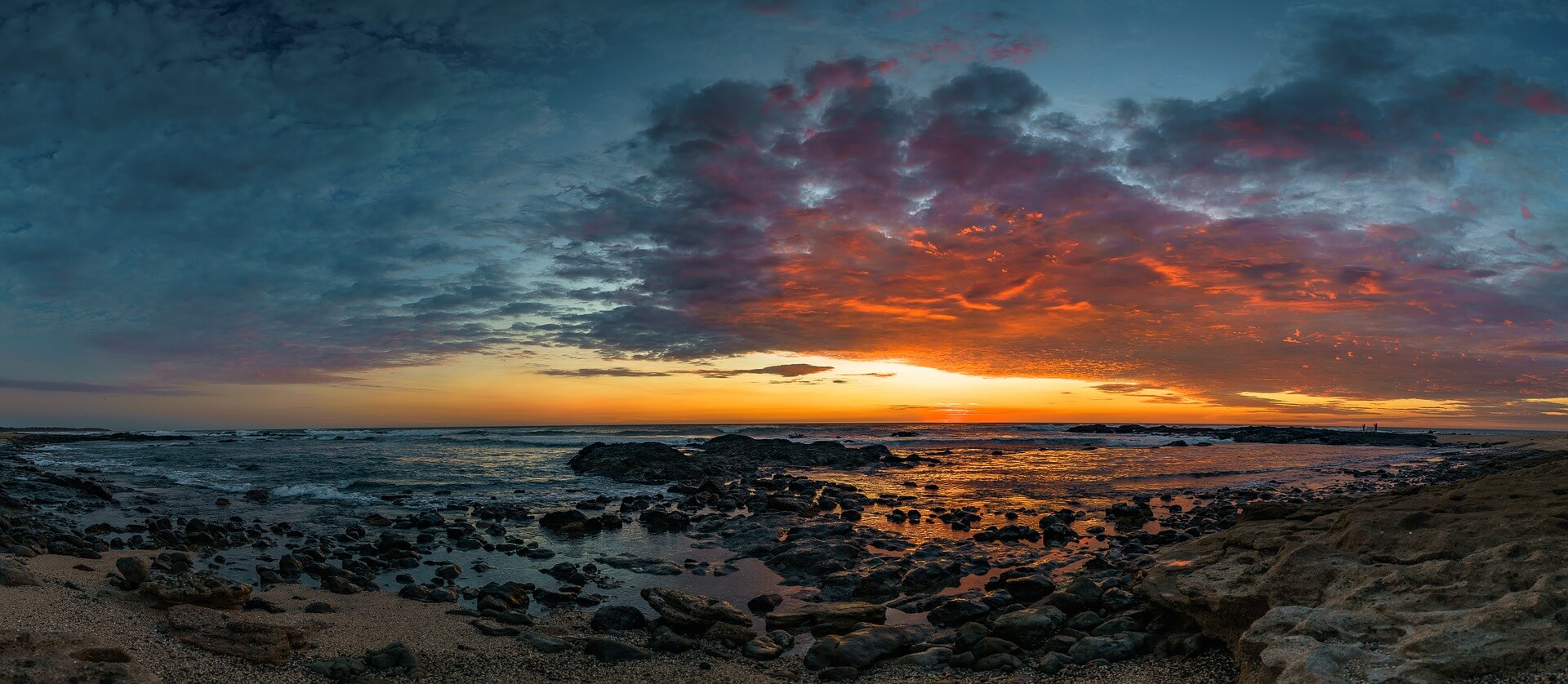
A Costa Rica vacation turns on one fact: the two coasts are rarely wet at the same time. Which side your month points at decides almost everything else.
Costa Rica packs volcanoes, cloud forest, rainforest and two coastlines into a country smaller than West Virginia.
The thing that decides a Costa Rica vacation is that the two coasts do not share a weather pattern. Get that right and the rest of the itinerary more or less writes itself.
The coasts do not share a weather pattern
The Pacific side is the busier one: more resorts, more infrastructure, and a reliable dry season running roughly December to April.
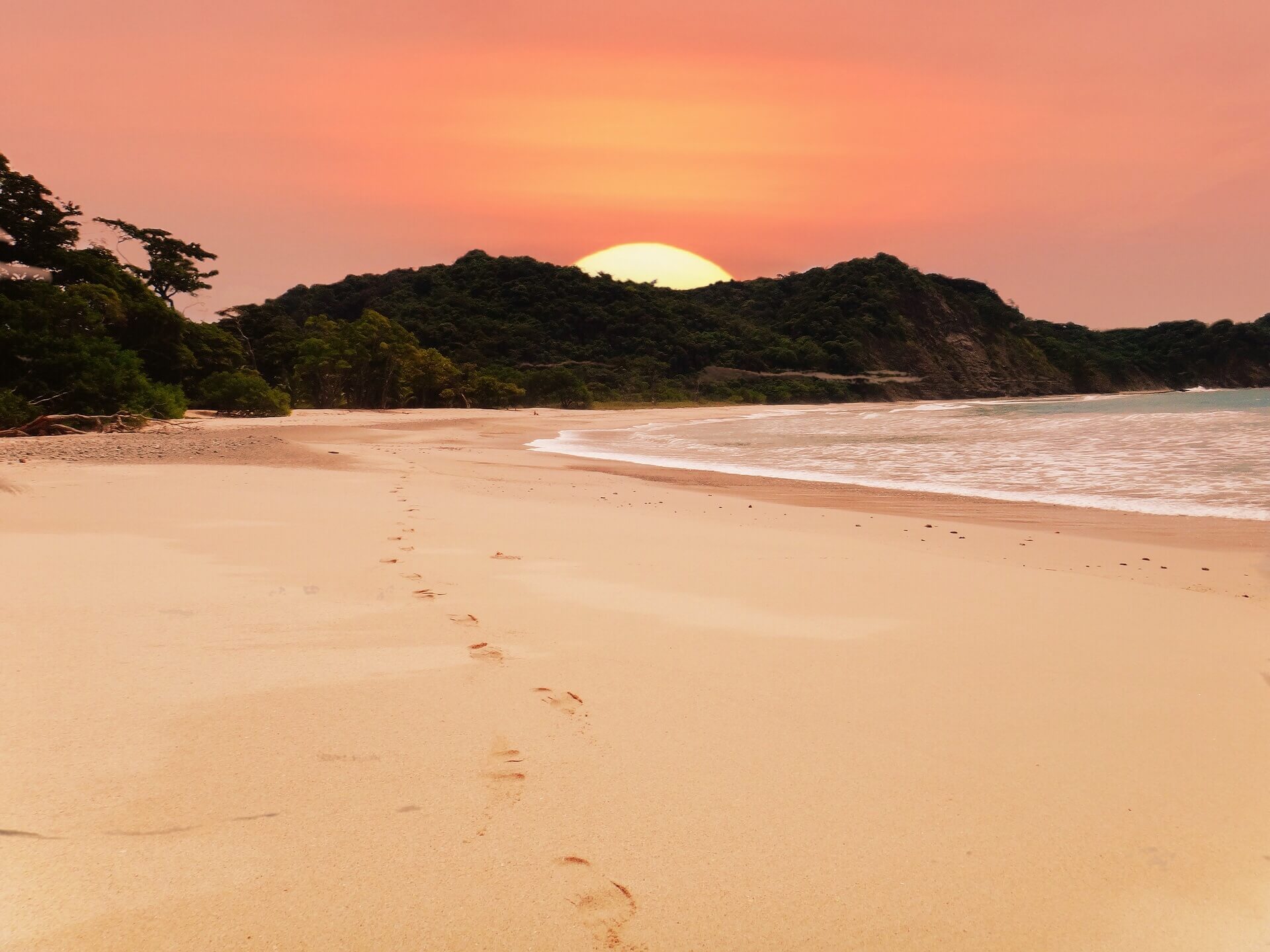
The Caribbean side is wetter overall and less developed, with a distinct Afro-Caribbean culture and food. Its driest windows are short and sit around September and October, which is precisely when the Pacific is at its wettest.
So a September trip is not a write-off. It is a Caribbean trip.
Green season on the Pacific, May to November, usually means heavy rain in the afternoon rather than all day, lower prices, and a landscape that is actually green. For a lot of travellers that is the better trade.
What a ten-day Costa Rica vacation actually fits
The roads are slower than the distances suggest. Mountain routes wind, some access roads are unpaved, and journeys regularly take half again as long as a map predicts.
Three bases over ten days works. Five means you spend the holiday in a vehicle.
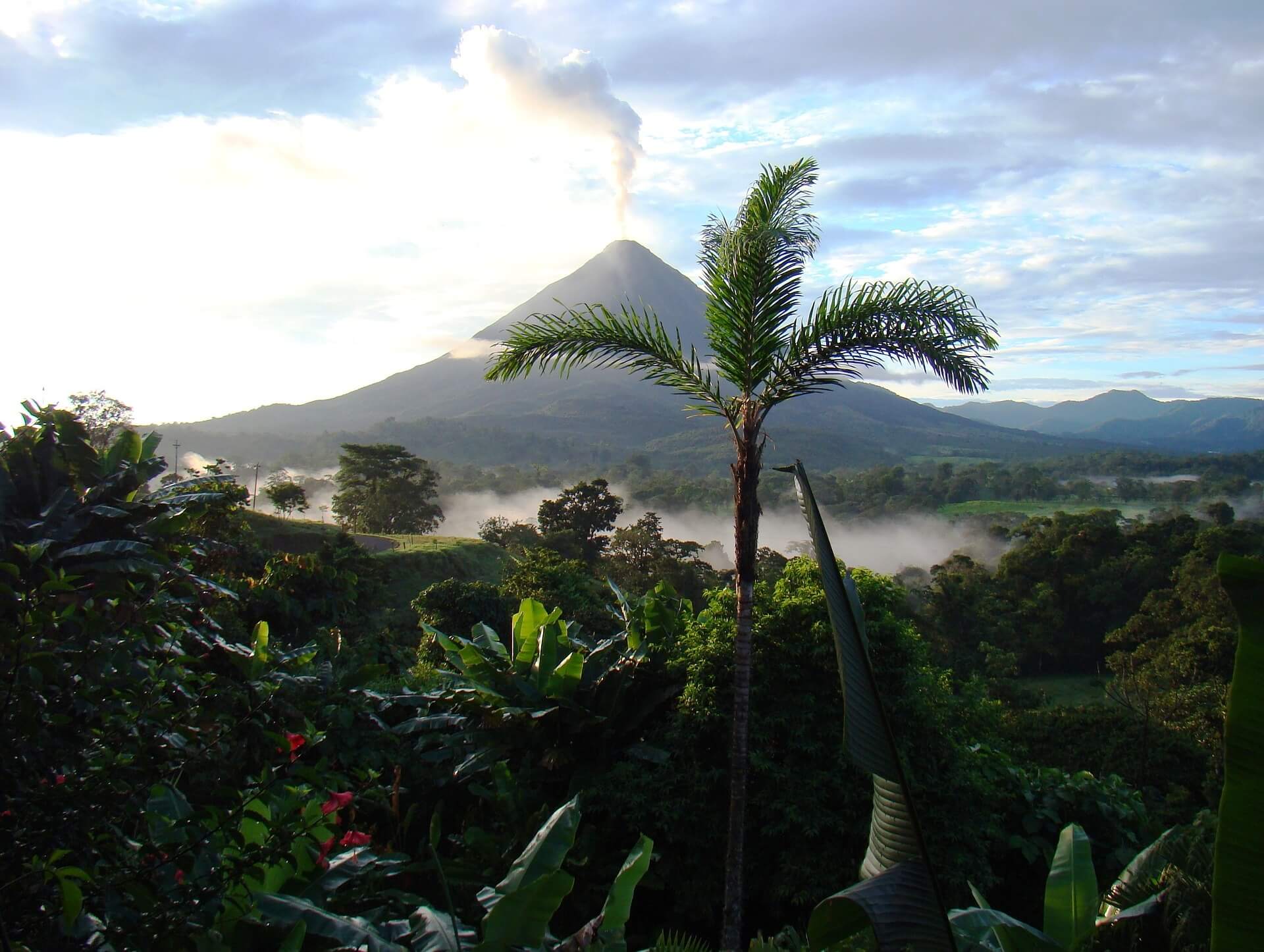
The standard shape is Arenal for the volcano and hot springs, Monteverde for cloud forest, then a coast for the last stretch. It suits first-timers and families, and it is the one we book most.
The parks worth the drive
Manuel Antonio is small and easy, with beaches and rainforest together and sloths and monkeys close to the paths. The most accessible, and therefore the busiest.
Corcovado, on the Osa Peninsula, is remote and the most biologically dense place in the country. It needs a licensed guide and real planning. This is the serious one.
Tortuguero is reached by boat or small plane and has canals rather than roads. Green turtle nesting runs roughly July to October, which is the reason to go.
Arenal itself is dormant in terms of visible eruption, so the draw is the geothermal hot springs around it, and the hanging bridges are a gentle way into the rainforest canopy.
Manuel Antonio for a first trip, Corcovado for people who already know what they are looking at.
Wildlife, realistically
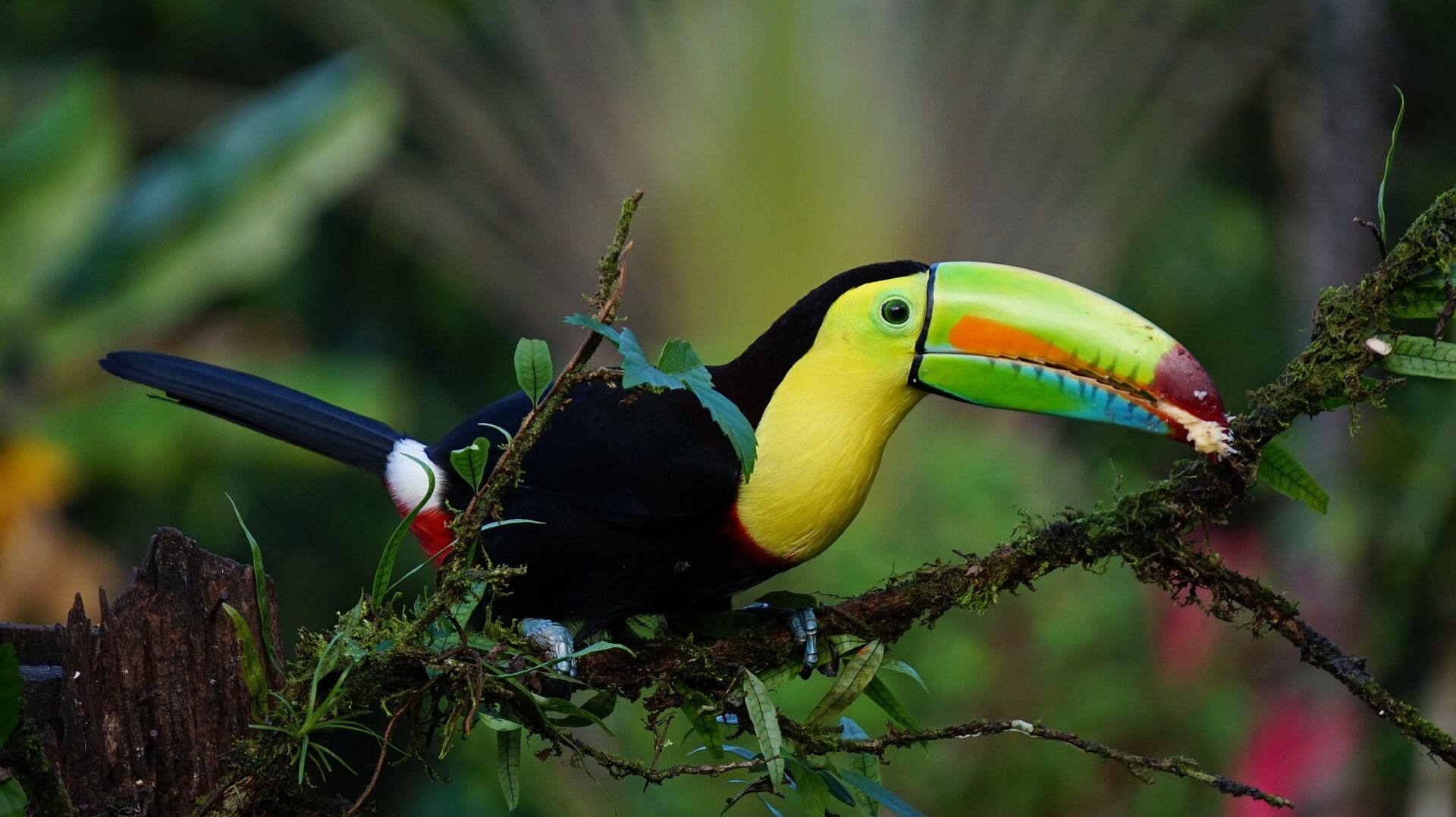
Sloths, monkeys, toucans and iguanas are commonly seen. Jaguars and tapirs exist and you will almost certainly not see one.
A guide is the difference between walking past wildlife and seeing it. They carry scopes and they know where the animals were yesterday. It is the best money spent in the country.
Go at dawn. Activity drops sharply by mid-morning.
The car, the flights and the rice and beans
A four-wheel drive is worth it if the itinerary includes Monteverde or the Osa Peninsula. Internal flights are short and save whole days on the longer transfers.
The food is simpler than people expect and better for it: rice and beans in some form at most meals, excellent fruit, and gallo pinto for breakfast. Costa Rica is the country our eco tourism planning gets asked about most, and a three-base trip like this is exactly what our custom itineraries service is built for.
Call Exquisite Travel Group on (916) 757-6300 with your month and we will tell you which coast it points at. That answer comes before anything else.