4 min read · Weddings & Honeymoons
A French Polynesia Honeymoon: Bora Bora Is Not the Only Answer
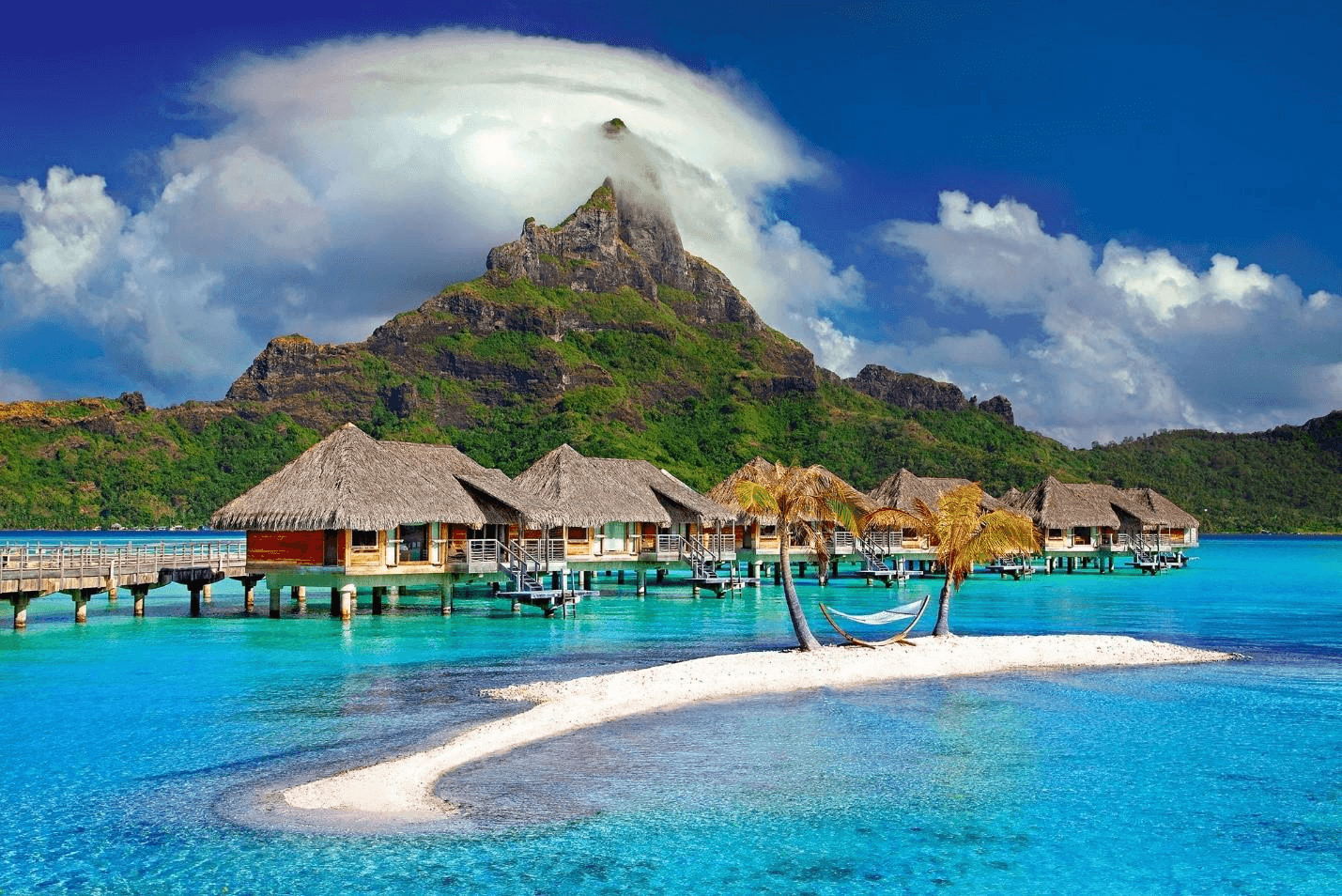
Everyone arrives asking for Bora Bora. A French Polynesia honeymoon that sees two or three islands in ten days is usually the better one, and the second island is where the character is.
Almost every French Polynesia honeymoon enquiry opens with Bora Bora. It deserves the reputation. The lagoon really is that colour, and the overwater bungalow really was invented here.
But 118 islands and atolls sit under that one name, and the honeymoons that work best are usually the ones that see two or three of them.
Getting there, and the day you will lose
Everything routes through Pape'ete on Tahiti. From Northern California that is roughly eight hours direct from the West Coast, and you cross the date line coming home.
Tahiti itself is the transport hub rather than the destination. Most couples connect onward the same day, or overnight near the airport and fly out in the morning. Inter-island flights are short, Pape'ete to Bora Bora is about 50 minutes, but they are not frequent, so the connection dictates the schedule more than you would like.
Build the first day as a travel day and do not book anything into it.
The islands, and what each actually offers
Bora Bora has the lagoon, Mount Otemanu, and the highest concentration of overwater resorts. It is the postcard, and it is also the busiest and the most expensive.
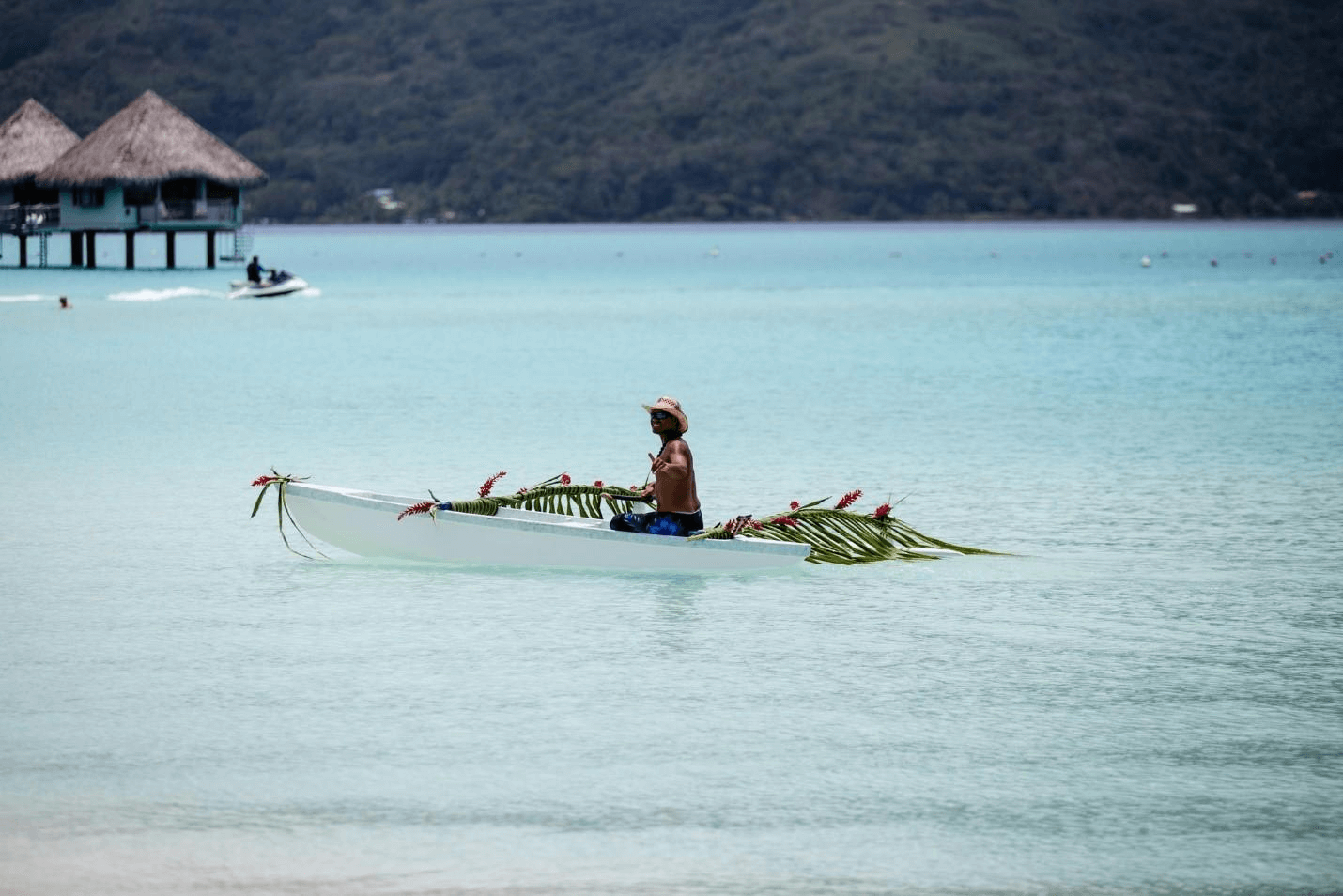
Moorea is thirty minutes by ferry from Tahiti, has dramatic green peaks, and costs a fraction of Bora Bora. It is better for hiking, snorkelling and actually meeting people. A lot of couples who split their stay end up preferring it.
Taha'a is the vanilla island, quiet, reached via Raiatea, with a coral garden you drift over rather than swim through.
Maupiti has no large resorts at all, only family-run guesthouses, and a lagoon that draws the Bora Bora comparison honestly. This is the one for couples who want the scenery without the resort scene.
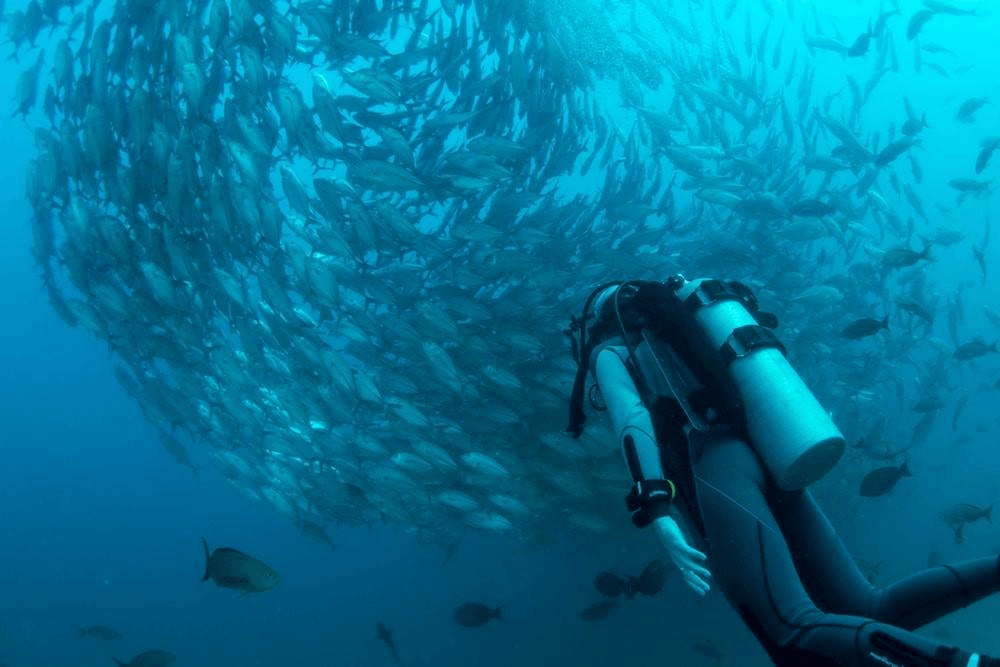
Fakarava is an atoll in the Tuamotus and a UNESCO biosphere reserve, with some of the best diving in the Pacific. It is a different trip rather than a beach add-on, and we only suggest it to couples who already dive.
The French Polynesia honeymoon pattern that works
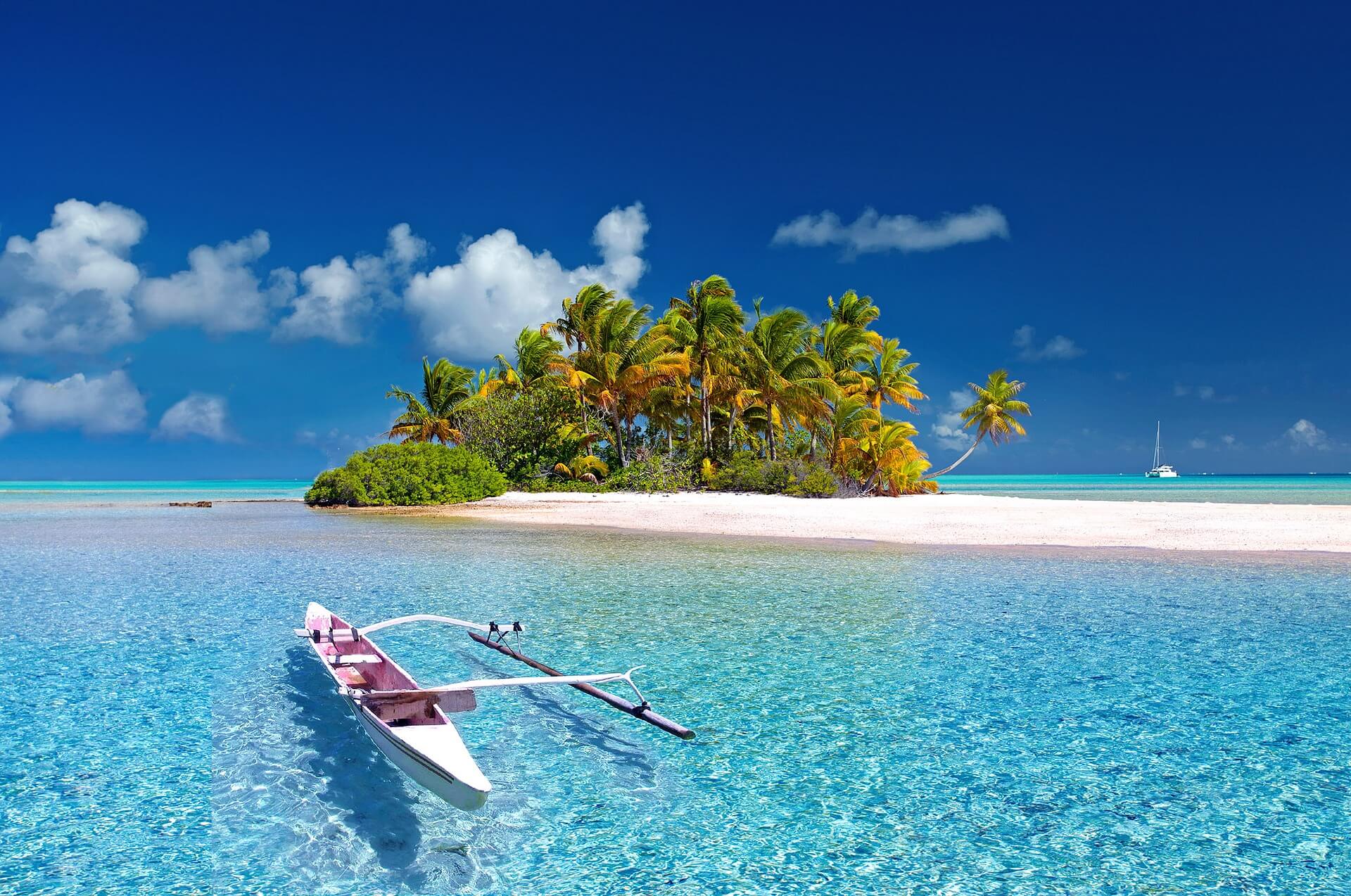
For ten days: four nights Moorea, five nights Bora Bora, with travel days at each end. Moorea first, so the trip builds rather than deflates.
For two weeks, add Taha'a or Maupiti in the middle.
Doing Bora Bora alone for ten nights is the most common booking and, honestly, rarely the best one. The lagoon is extraordinary for four or five days. After that most couples want something to do.
Overwater, beach, or both
Overwater bungalows are the reason people come and they are worth a few nights. They are also the most expensive room category, frequently the smallest, and getting in and out of the water from a ladder loses its novelty.
Splitting the stay, a few nights overwater and the rest in a beach or garden room, buys a longer trip for the same money. Most couples who do it say they would again.
When to go, and the whales
May to October is the dry season: lower humidity, less rain, and the busiest and priciest months, particularly July and August.
November to April is warmer and wetter, usually in short heavy bursts rather than all-day rain, and considerably quieter. Humpback whales pass through roughly August to October, which is a real reason to favour those months.
The shoulder weeks either side of the dry season are the value sweet spot.
What we can add
Through Exquisite Travel Group's Virtuoso affiliation, bookings at participating properties can carry amenities that are not available when booking direct, typically breakfast, a resort credit, and priority on upgrades where availability allows. Which properties participate changes, so we check per booking rather than promising in advance.
If the honeymoon follows a wedding abroad the logistics interlock, and our destination wedding service plans both together. On a trip at this price it is also worth reading whether you need travel insurance before you pay a deposit.
Call Exquisite Travel Group on (916) 757-6300 with your dates and we will tell you which islands the season actually favours.