3 min read · Destinations
Iceland Travel Guide: The Capital People Skip and the Black Beaches
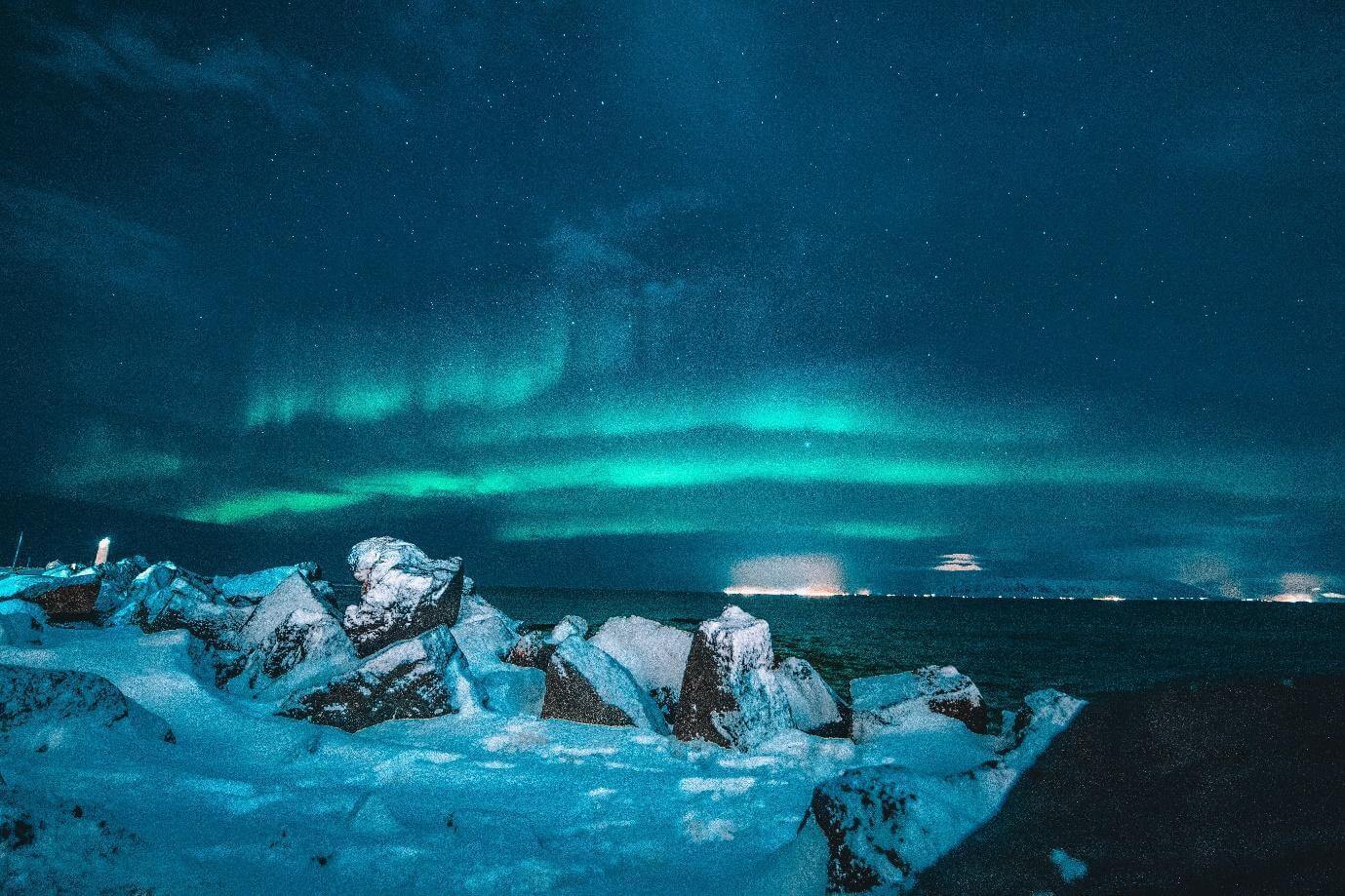
An Iceland travel guide that starts with one question: lights or long days. The winter island and the summer island share a map and very little else.
Iceland is two destinations wearing one name. The winter island and the summer island share a map and very little else.
Deciding which one you are booking is the first conversation rather than a detail, and every other choice in this Iceland travel guide follows from it.
Give Reykjavik two days
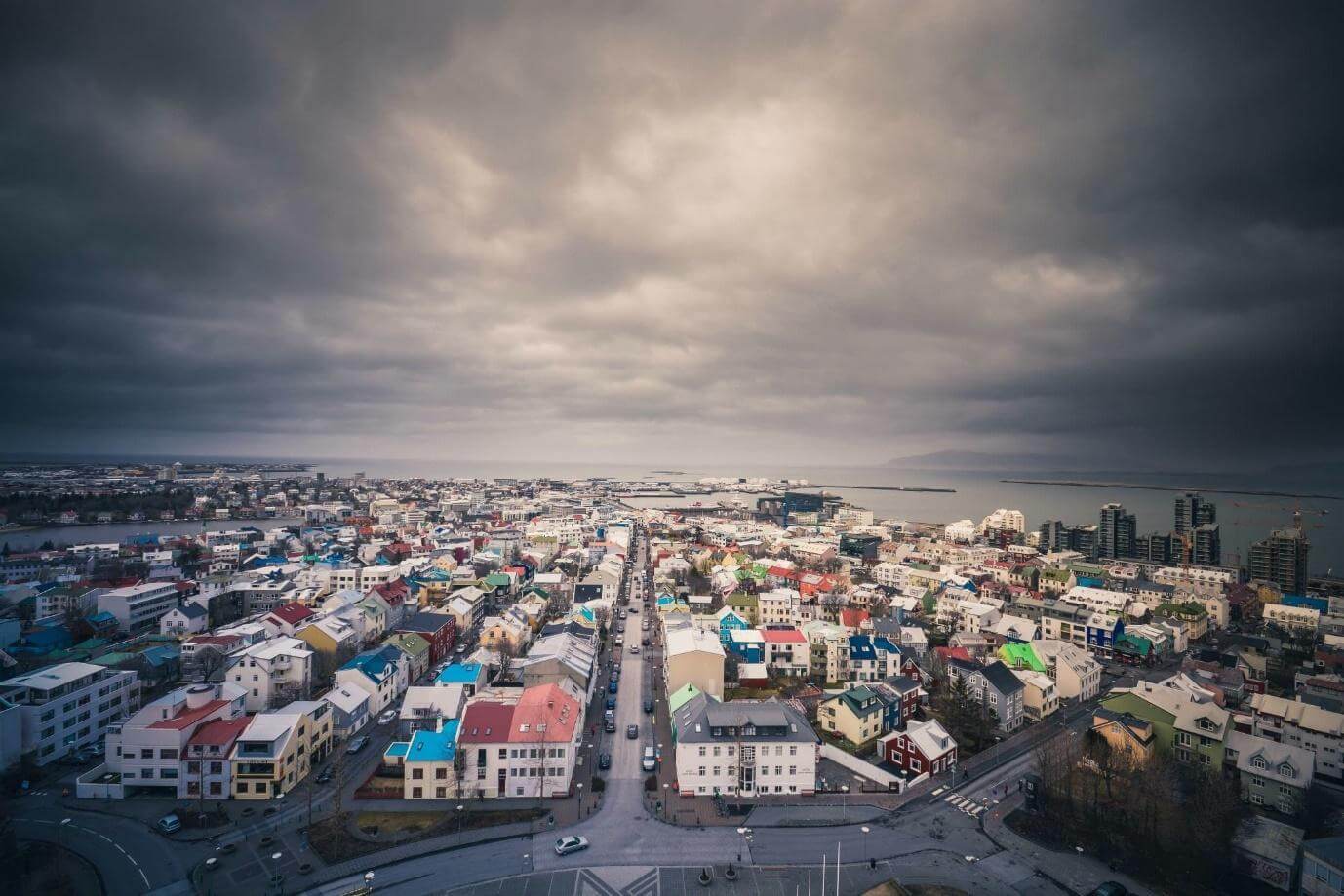
The common instinct is to collect the car and leave immediately. That is a mistake.
Reykjavik is small, walkable and genuinely good: Nordic architecture, a strong food scene for a city of its size, and a harbour that still works. The National Museum is the fastest way to understand the settlement history, and it makes everything you see afterwards land differently.
Two days is enough. One is a shame.
Reynisfjara, and why to stay back from the water
Most of Iceland's postcard landscape sits within a few hours of the capital along the south coast: waterfalls you can walk behind, black sand beaches framed by basalt columns, and glacier tongues visible from the road.
Reynisfjara is the famous black beach. It is also genuinely dangerous. Sneaker waves come far up the sand without warning and people are killed there. Stay well back from the water. This is not an abundance of caution.
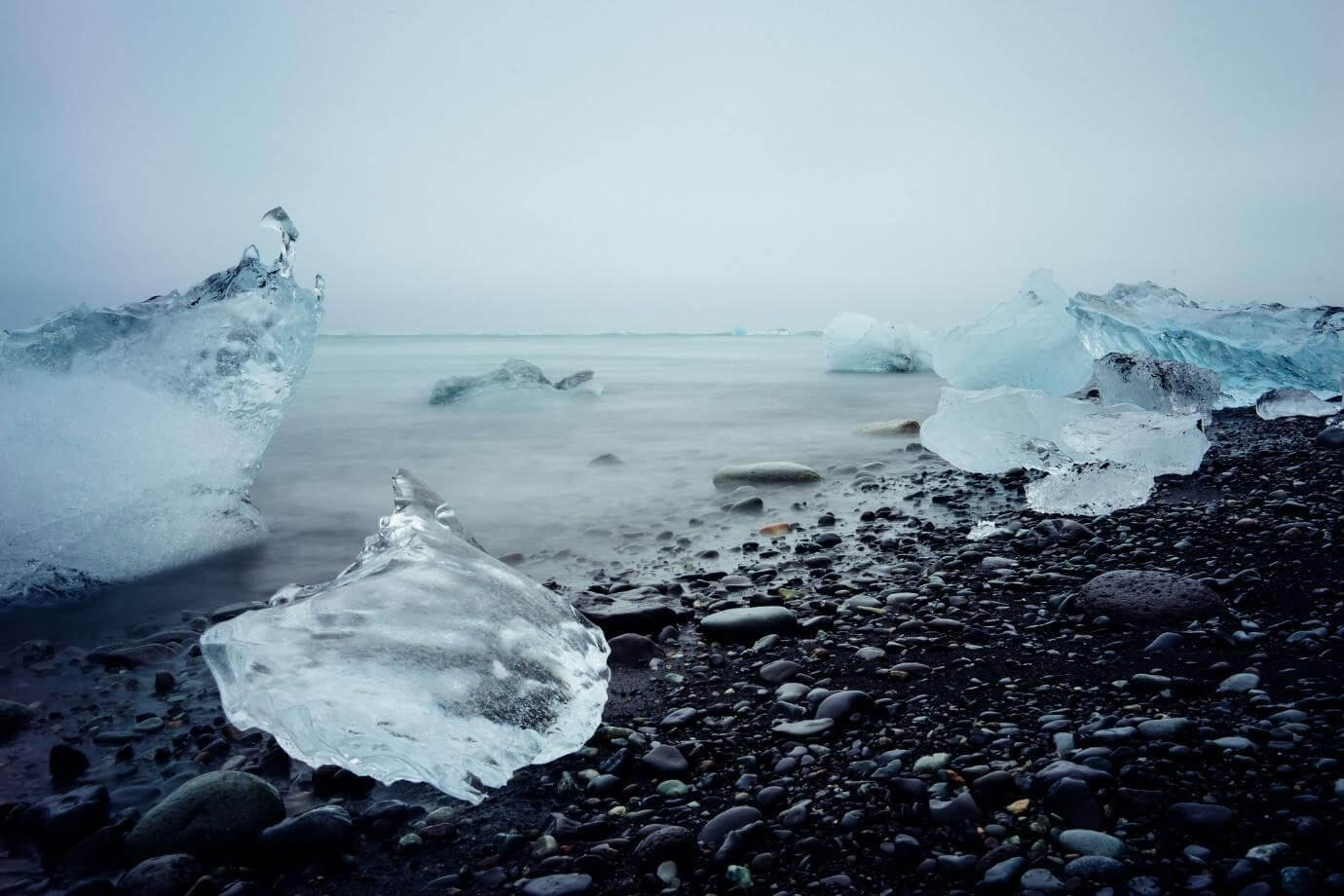
Further east, Jökulsárlón is a lagoon of icebergs calving off a glacier, with the ice washing back up on the beach opposite. It is about five hours from Reykjavik, which is why it deserves an overnight rather than a day trip.
The Ring Road question every Iceland travel guide dodges
The Ring Road circles the island in roughly 1,300 kilometres. Done properly it needs eight to ten days. Done in five it becomes a driving holiday with scenery in the windows.
If you have under a week, do the south coast and the west and leave the rest. Half the island done well beats all of it done at speed, and we will say so when asked to book the compressed version.
Northern lights, realistically
They need darkness, clear sky and solar activity. That means roughly September to March, away from town lights, and a degree of luck.
Three or four nights gives a reasonable chance. A two-night trip may well see nothing, and no operator can promise otherwise. Be wary of any that implies it.
The version where it never gets dark
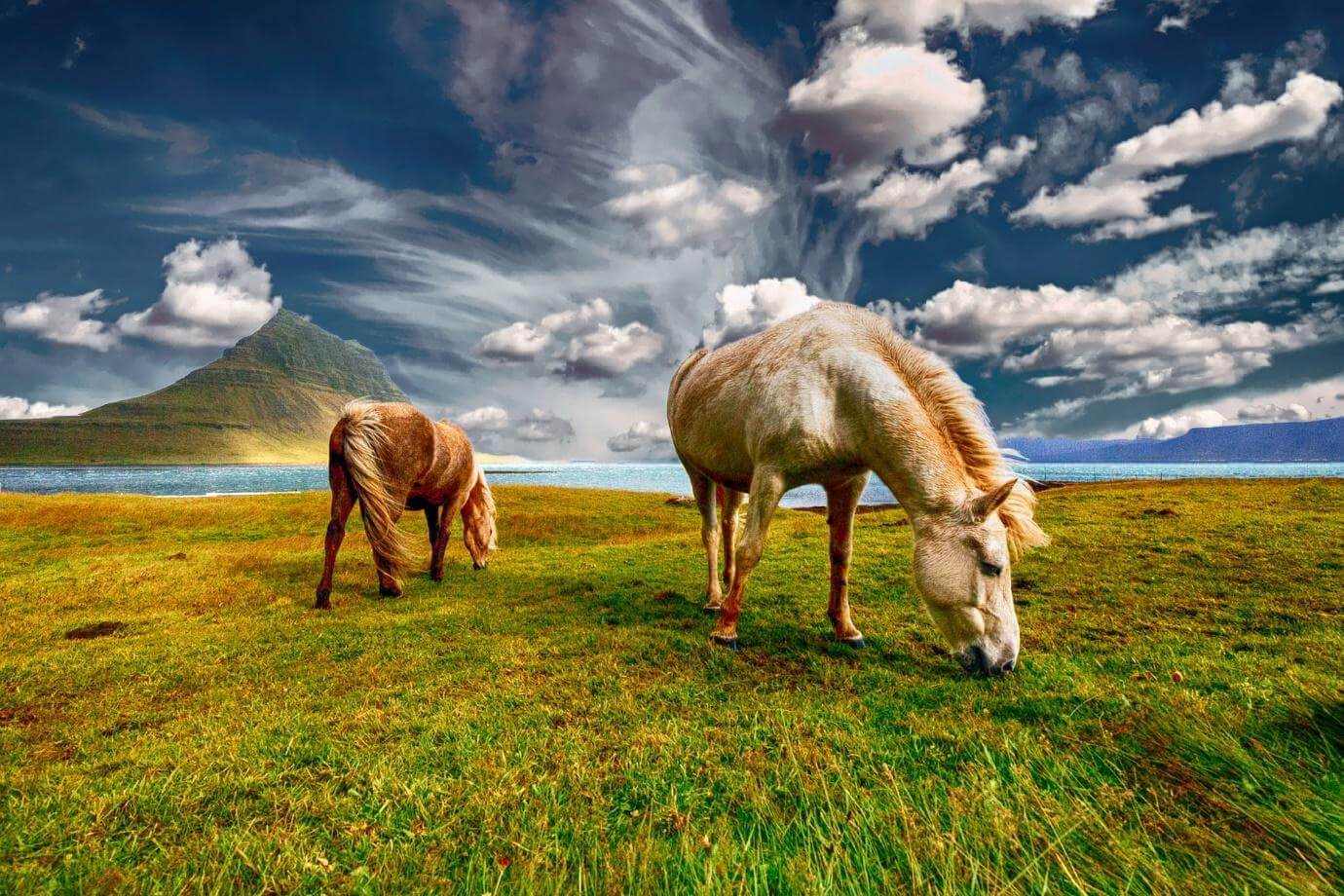
Around midsummer it barely gets dark at all. That is not a novelty, it is a practical advantage: you can drive and walk at ten in the evening, the interior highland routes open, and the wildflowers are out.
The trade is that there are no northern lights, prices are at peak, and the popular sites are busy. Families do better on this version. Couples chasing the lights should take the other one.
Roads close, and the pools beat the lagoon
Weather changes hourly and closes roads. Check conditions daily in winter. A four-wheel drive is sensible then and unnecessary in summer on the Ring Road.
The municipal geothermal pools are the everyday version of the famous lagoon, cost a fraction of it, and are where Icelanders actually go.
Our international packing list covers layering, which matters here more than most places, and building the trip around the season is what our custom itineraries service does.
Call Exquisite Travel Group on (916) 757-6300 and tell us which you want, lights or long days. Everything else follows from that.