4 min read · Destinations
Ireland Travel Guide: How the Regions Actually Fit Together
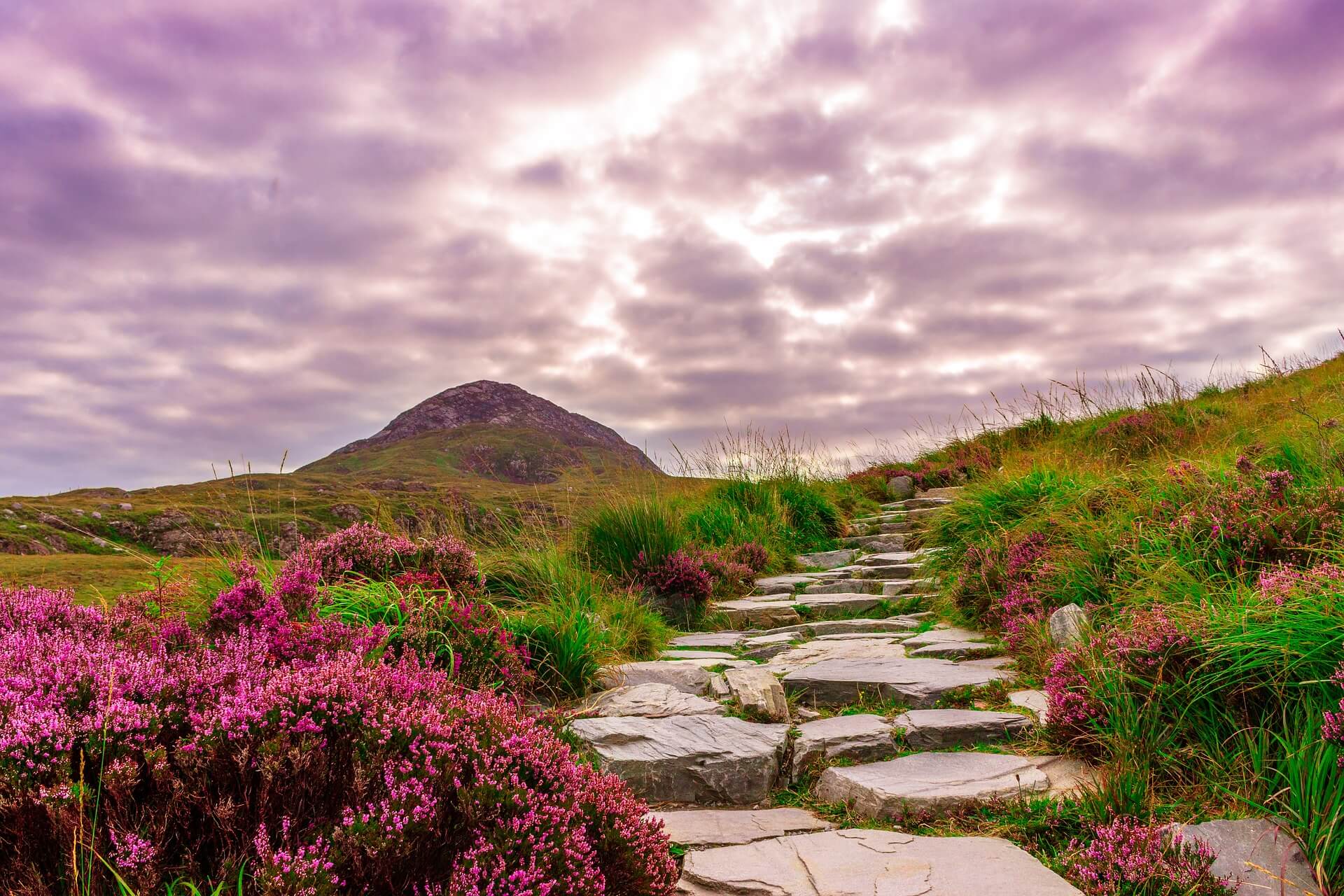
An Ireland travel guide built around driving time rather than mileage: which regions actually combine, how long each needs, and the roads that take twice as long as they should.
Ireland is about 300 miles top to bottom, and people routinely plan it as though that means an easy week.
The motorways radiate from Dublin. Everything interesting sits on the roads that do not, and those are narrow, hedged and slow. This Ireland travel guide is organised by region rather than by mileage, because the region is where your days actually go.

Four regions, and what each one is for
Dublin and the east is the arrival city: museums, music, and Kilmainham Gaol. Two days.
The south west, meaning Kerry and Cork, holds the Ring of Kerry, the Dingle Peninsula and Killarney National Park. It is the most scenic driving in the country. Three to four days.
The west, meaning Galway, Clare and Connemara, has the Cliffs of Moher, the limestone of the Burren, Connemara itself and the Aran Islands, with Galway city as the base. Three days.
The north, meaning Antrim and Belfast, is the Causeway Coast and the city. It is a different jurisdiction with its own currency. Two to three days.
A ten-day trip does two of these properly plus Dublin. It does not do all four.
First-time visitors almost always do best on Dublin plus the west. Kerry is the one to add on a second trip rather than squeeze into a first.
Driving, honestly
Left-hand side, and outside the motorway network the roads are narrow with stone walls or hedges hard against the edge. Passing places on the smaller routes are a real feature, not a rarity.
Add 50 percent to whatever the satnav says on rural routes, because you will stop, and because you will meet a tractor.
Automatic transmissions are the minority here and they cost more. Book early if you need one, because they run out.
If nobody in the party wants to drive on the left, say so at the planning stage. Kerry and Connemara both work with a driver, and it changes the trip less than people expect.
The Ring of Kerry, and why to drive it backwards
Coaches run the Ring clockwise. Drive it anticlockwise and you will not meet them head-on all day.
The Dingle Peninsula is shorter, quieter and, for a lot of people, the better road of the two. If you have one day for one of them, make it Dingle.
The Wild Atlantic Way is a marketing route covering the whole west coast, about 1,600 miles of it. Nobody drives all of it. Treat it as a list of good stretches rather than an itinerary.
Rain is likely, and it rarely lasts all day
Rain can arrive in any month and usually passes. The four-seasons-in-an-hour line is not a joke, it is a forecast.
The practical response is to keep the scenic days loose rather than fixing the Cliffs of Moher to one particular morning. Low cloud means you see nothing, and there is no refund on a view.
May, June and September are the value months: long days, manageable crowds, and rates below July and August.
Fewer bases, longer stays
Killarney covers Kerry and Galway covers the west, and each supports three or four days of touring without repacking.
Moving hotels every night in Ireland is the most reliable way to come home tired.
How to use this Ireland travel guide
Three of these regions have a piece of their own here. The Cliffs of Moher and Galway covers the west, Dublin and its live music pubs covers the east, and the Gap of Dunloe is the best half day in Kerry. Each goes deeper than this one does.
Call Exquisite Travel Group on (916) 757-6300 with the number of days you have, and we will tell you which two regions they actually cover.